recipe
Chin Chin: Nigerian Fried Dough Bites
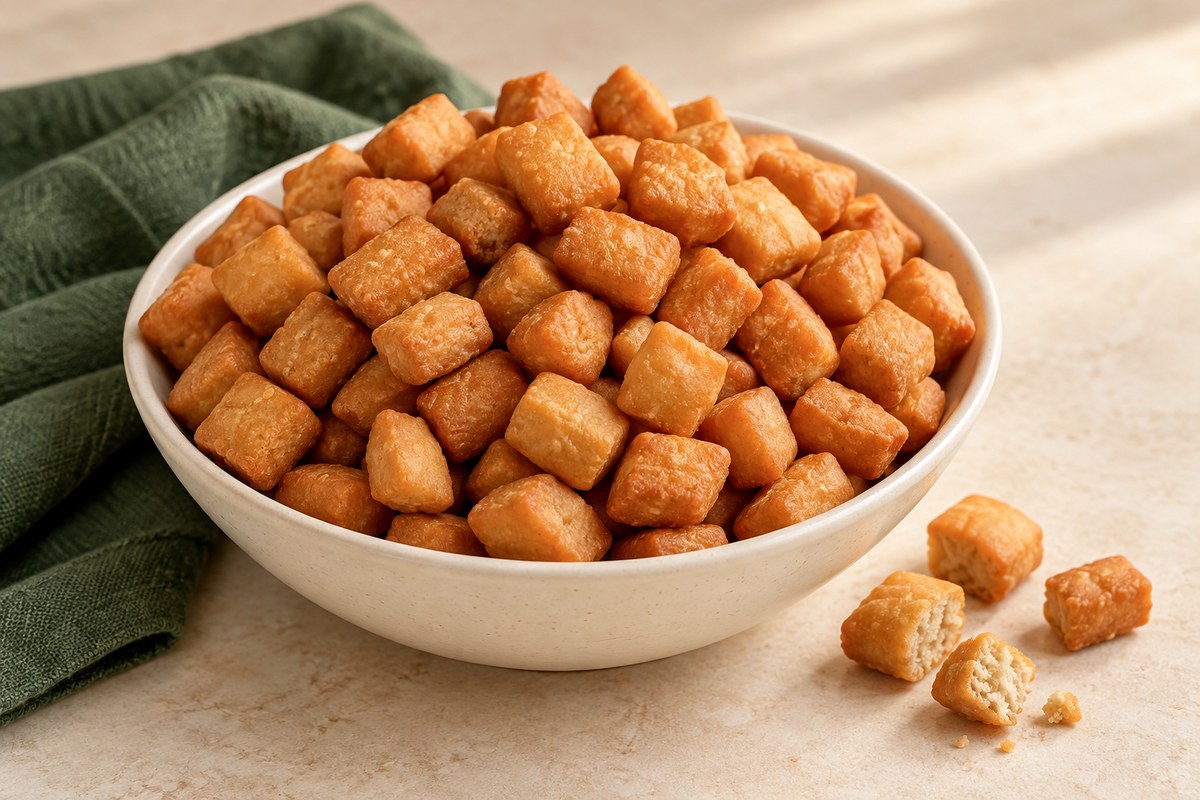
Small, nutmeg-scented squares of sweet dough fried until golden. A plain egg-and-milk version with thin rolling, a cooled-piece crunch check and practical oil handling.
Includes the 15-minute dough rest; cool fully.
About 8 snack portions; piece count depends on how the dough is cut
Ingredients and method
About 8 snack portions; piece count depends on how the dough is cut
Planning estimate: 60–90 min · Moderate. Includes the 15-minute dough rest; cool fully.
Timing guide: Allow time to mix, rest for 15 minutes, roll and cut two pieces of dough, then heat the oil and fry small batches. Pot size affects the number of rounds. Cool the finished pieces completely for a crisp bite.
Method
- Set out a mixing bowl, rolling pin, knife or pizza cutter, lightly floured tray, deep heavy pot, frying thermometer and slotted spoon. Combine the flour, sugar, baking powder, nutmeg and salt. Beat the egg with the cooled melted butter and 5 tablespoons milk, then stir into the dry mixture.
- Bring the dough together and knead briefly until fairly smooth and firm but pliable. If dry crumbs will not bind, add the last tablespoon of milk a teaspoon at a time. Stop before the dough becomes sticky. Cover and let it relax for about 15 minutes; refrigerate if you need to pause longer while organizing the frying setup.
- Divide the dough into two pieces. Roll one on a lightly floured surface to a scant 1/4 inch thick, about 5 mm. Cut into strips about 1/2 inch wide, then crosswise into small squares. Separate the pieces on the tray and brush away loose dusting flour. Repeat with the second piece. Keep the pieces similar in thickness so they cook together.
- Pour oil about 2 inches deep into the pot, which should remain no more than half full, and heat to approximately 350°F. Carefully add a small test batch close to the oil surface. The pieces should rise and bubble steadily. Stir gently to separate them and turn them for even color.
- Fry until golden, then lift onto a rack or paper-lined tray. Cool a test piece fully before breaking it open: it should have a dry, cooked center and a crisp bite, not a soft raw-dough middle. If it browns before cooking through, reduce the heat slightly and roll the remaining dough thinner. Warm pieces are softer, so do not use immediate firmness as the only check.
- Fry the remaining squares in small batches, keeping the oil around 340–350°F and allowing it to recover between batches. Skim out crumbs as they accumulate. If foam rises toward the rim, stop adding dough and turn off the heat; leave the pot in place until the foam subsides. Never add water to hot oil.
- Drain and cool completely before serving or putting the chin chin in a clean, dry airtight container in a cool, dry place. Do not seal warm pieces, which can trap steam. Turn off the burner and let the oil cool fully before handling or disposal.
A lightly enriched dough
Chin chin are small fried dough snacks, often sweet and flavored with nutmeg in Nigerian recipes. Egg, milk and a little baking powder give this version a bite between very hard and very soft. Measure the flour lightly, then add the final milk gradually: the dough should be firm enough to cut into separate pieces.
Use ordinary all-purpose flour and solid butter that you melt yourself, rather than a reduced-fat spread with extra water. Self-rising flour changes both the salt and leavening. Leaving out the egg or replacing the milk needs a different formulation; those are not direct swaps in this dough. Nutmeg can be left out for a plainer flavor.
Thin pieces, then a cooling check
Thickness has more effect on frying than the exact outline of each piece. A thin square cooks more evenly than a large thick nugget. Keep scraps in the same batch of dough and reroll them only as needed; heavy dusting adds loose flour to the oil and can promote foaming.
Chin chin become crisper as they cool. Let them cool completely in a single layer before judging the texture or transferring them to a clean, dry airtight container. Enjoy them fresh and keep the container away from heat and dampness.
Allergens and frying care
This recipe contains wheat, milk and egg. Do not taste the raw dough: both untreated flour and raw egg can carry harmful bacteria. Wash hands, utensils and the work surface after shaping, and keep uncooked dough separate from finished chin chin.
Use a stable pot with plenty of empty space above the oil, keep water and wet utensils away, and stay at the stove. Oil that smokes is too hot; turn off the heat. Discard oil with an unusual smell, persistent foam or smoke, and allow it to cool before moving it. Never pour water onto an oil fire.