recipe
Amala Isu: Nigerian Yam Flour Swallow
Brown yam elubo cooked into a soft soup accompaniment, with clear water stages, steady stirring and guidance for choosing the right flour.
About 4 accompaniment portions; soup served separately
Plan ahead: Prepare the soup first. Measure and sift the flour and set out the extra hot water before starting the dough.
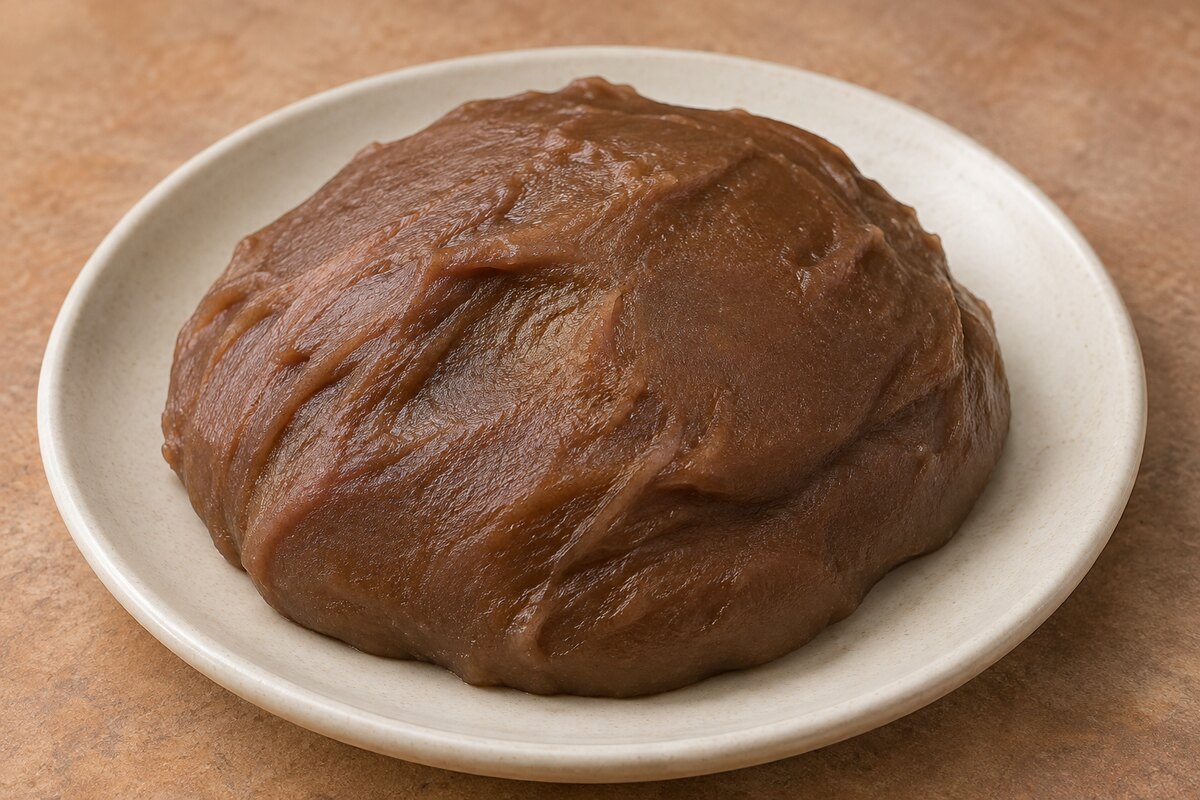
Ingredients and method
About 4 accompaniment portions; soup served separately
Plan ahead: Prepare the soup first. Measure and sift the flour and set out the extra hot water before starting the dough.
Timing guide: Bring the water to a boil, mix the dough, then allow about 4–5 minutes covered cooking before the final stirring. Water-heating, mixing and any further cooking add time; the full batch is not a five-minute meal.
Ingredient help
Method
- Check that the flour is yam elubo intended for amala. Measure the 2 cups, then sift the flour. Set out a sturdy wooden spoon or turning stick and a heavy 3–4-quart pot with a lid. Have your soup ready to serve and keep the additional hot water separate from the initial 4 cups.
- Bring the 4 cups of water to a rolling boil. Reduce to medium heat. Add the flour in a steady stream while stirring briskly, working through the whole pot so dry pockets do not remain at the bottom.
- Once the flour has come together into a thick dough, press small lumps against the side of the pot with the spoon and fold them back in. Scrape down the sides; use a dry oven mitt to steady the pot if needed.
- Add a small splash from the additional hot water around the dough. Cover and cook over low to medium heat for about 4–5 minutes. Keep the heat gentle enough that the bottom does not scorch.
- Lift the lid away from your face. Stir and fold the dough thoroughly again. If it is too stiff to work, add a little more of the reserved hot water and mix it in before adding any more. The finished dough should be smooth and soft enough to scoop, while holding together rather than pouring like porridge. If a dry flour pocket remains, work it out and continue gentle covered cooking before serving.
- Spoon onto plates and serve warm alongside egusi, efo riro or another prepared soup. Start with a modest portion; the soup is separate from the yield below. Refrigerate leftovers promptly in shallow containers rather than keeping the pot warm on the counter for hours.
Choose yam elubo for this method
Amala is a swallow: a soft, cohesive accompaniment eaten with soup. This version uses yam elubo and is associated with Yoruba cooking in southwestern Nigeria. Cassava and plantain preparations also appear under amala names; they need their own instructions.
Look for a clearly identified yam product intended for amala and read the ingredient list. On November 3, 2026, Afrigrid’s own Yam Flour (Elubo) listing states 100% yam flour; Ayoola also identifies its yam flour as an amala ingredient. These are product-form examples, not a promise of stock or an instruction to use one brand.
A bag labeled pounded yam, a formulated fufu mix or cassava baking flour is a different purchase. This recipe does not convert those products by the cup. If your packet specifies different preparation, use its method instead of combining its ratio with this one.
Explore this topic
Keep the two water stages separate
The initial water receives the flour; the extra hot water helps the covered stage and final adjustment. Measure them separately so that the correction water does not all go into the pot at the start.
Sifting breaks up flour clumps before cooking. Steady stirring as the flour enters, followed by folding after the covered stage, helps the dough become even. Keep working with the spoon rather than trying to judge the center from its brown color.
Make the soup first
Finish the soup before starting amala so the dough can go to the table warm. The suggested four portions are accompaniment servings, not a complete meal or a measured finished weight.
Egusi and efo riro are two options from this collection. Choose one complete soup recipe and its stated protein and greens; making amala does not require adding stockfish or buying several different soups.
Explore this topic
Cool and reheat leftovers safely
Refrigerate leftover amala in shallow covered containers within 2 hours, or within 1 hour if the surroundings are above 90°F. Keep the refrigerator at 40°F or colder. Do not leave the dough in a switched-off pot or an unheated cooler for the afternoon.
Use refrigerated leftovers within 3–4 days. Reheat on the stove or in a microwave-safe container until the center reaches 165°F, checking more than one spot in the dense dough. Texture after chilling and reheating can differ from a freshly prepared serving.