recipe
Nigerian Chicken Pepper Soup
A light, aromatic chicken broth seasoned with Nigerian pepper-soup spice. This US home version uses bone-in thighs or drumsticks, with guidance for choosing and adjusting the spice blend.
Start with fully thawed chicken.
About 4 servings (estimated)
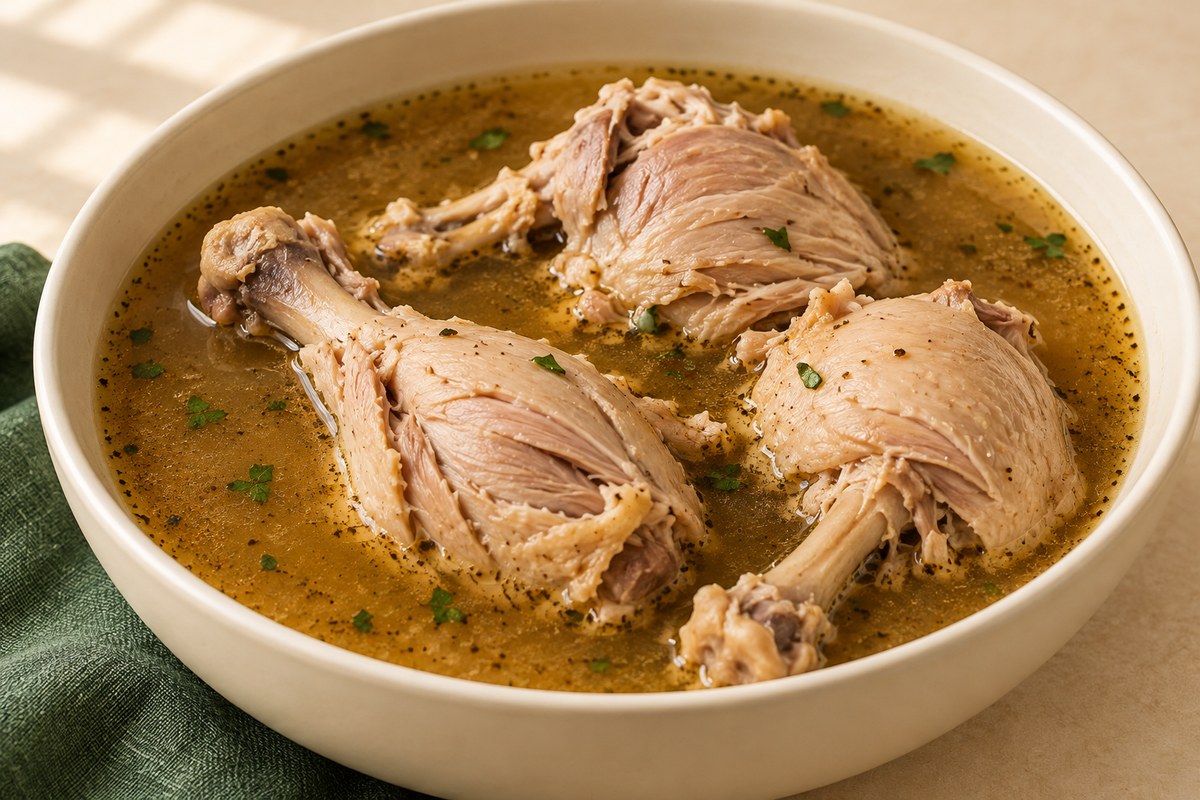
Ingredients and method
About 4 servings (estimated)
Planning estimate: 50–70 min · Easy. Start with fully thawed chicken.
Timing guide: Allow about 10 minutes for preparation and time to bring the pot to a boil. Start checking the chicken after 25 minutes of simmering; larger pieces need longer. Allow another 5 minutes if adding more spice at the end.
Method
- Place the chicken in a 4- to 5-quart pot. Do not wash raw chicken. Add the water, quartered onion, garlic, ginger, 2 teaspoons pepper-soup spice, hot pepper and optional bouillon. Keep raw-chicken utensils separate from cooked food and wash your hands after handling the chicken.
- Bring to a boil, then lower the heat to a gentle simmer. Partly cover the pot. The liquid should nearly cover the chicken; add a little hot water if needed. Turn the pieces occasionally and skim excess surface foam or fat if you wish.
- Simmer until the chicken is tender and a food thermometer reads at least 165°F in the thickest part of each piece without touching bone. Start checking after about 25 minutes, but continue cooking as needed; the pieces’ size matters more than the clock. Add hot water if evaporation exposes much of the meat.
- Once the chicken is safely cooked, taste the broth. Add salt if needed and, if the flavor is mild, up to 1 teaspoon more pepper-soup spice. Simmer for another 5 minutes if you add more spice. If the chicken already feels very tender, lift it into a clean covered bowl while the added spice cooks, then return it to heat through.
- Lift out the onion quarters if you prefer a clearer broth. Stir in the basil or scent leaves and simmer briefly until fragrant. Serve with the chicken and broth together; plain rice or separately boiled plantain can make it a larger meal.
Choose a Nigerian pepper-soup spice
Look for a food-grade ground blend labeled Nigerian pepper-soup spice at a Nigerian or West African grocery. Read the ingredient list: blends differ in their aromatic seeds, pods, pepper and salt. Follow any stated cooking directions and begin with the smaller amount in this recipe.
Flo Chinyere’s chicken version uses ehu as its principal aromatic spice; Lola Osinkolu uses a pepper-soup blend, as does Ajoke for her assorted-meat version. These are different approaches, not a single standard mix. This recipe follows the blend approach. Cayenne, black pepper, curry powder or ordinary baking nutmeg alone will not reproduce that mixture.
Chicken and herbs for a US kitchen
These instructions are for ordinary supermarket thighs or drumsticks, left on the bone. A mature stewing hen, sometimes sold as hard chicken, can require substantially longer cooking and is not a timed swap. There is no need to chop through chicken bones for this version.
Fresh scent leaves are used in Nigerian pepper soup; fresh basil is an accessible alternative with a different aroma. This light broth contains no palm oil, tomato or cream. Plantain and dried crayfish appear in some versions, but are not part of this ingredient set.
Balance heat and broth
A pepper-soup blend supplies aromatic flavor; the Scotch bonnet supplies adjustable chile heat. Start cautiously with both, especially if your blend already contains hot pepper. Stir additional ground spice into the simmering broth and allow it to cook before tasting again.
If the broth becomes too concentrated, add hot water in small amounts and check the seasoning again. Too much salt or chile is harder to undo: dilution makes a larger, milder pot. A rolling boil is unnecessary and reduces the broth quickly.
Safe cooking and leftovers
Use the thermometer reading of 165°F for chicken safety; color and clear juices do not replace it. Keep raw chicken and its juices away from the herbs and ready-to-eat food. Washing raw chicken is unnecessary.
Divide leftovers into shallow containers and refrigerate within 2 hours, or within 1 hour above 90°F. Keep at 40°F or below for 3–4 days, or freeze. Reheat chicken and broth to 165°F throughout.